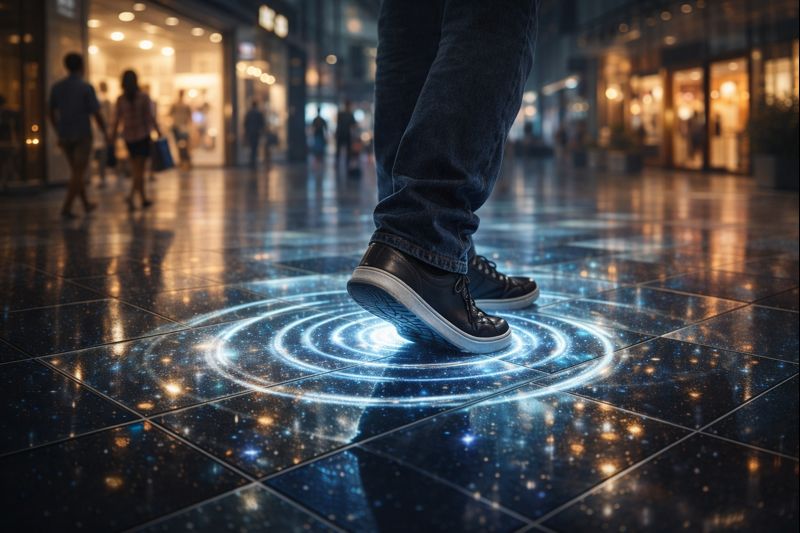
There’s a reason interactive floors keep showing up in malls, brand activations, museums, and event stages: they turn “walk-by traffic” into a moment people stop for. A well-planned LED floor display doesn’t just look cool—it creates a reason to engage, film, share, and stay longer.
Here’s the practical slice: where interactive LED floors work best, what they’re good at, and what to check before you commit.
1) The best use cases (and why they work)
Retail & shopping centers
Interactive floor visuals are a magnet. You can guide foot traffic (virtual paths, arrows, branded trails), spotlight a store entrance, or run short “step-to-trigger” effects that feel playful instead of gimmicky. The value isn’t only the visuals—it’s dwell time and social sharing.
Exhibitions & brand activations
Floors are perfect for “immersive zones” because they complete the scene. Walls can show story, but the floor makes visitors feel inside it. For launches, it’s also a clean way to build a booth landmark that people can find again.
Museums & experience venues
Great for gentle interaction—ripples, light trails, responsive patterns—especially when you want visitors to explore without needing instructions. Done right, it adds atmosphere without distracting from the exhibits.
Stage + live events
A floor LED surface can extend a stage design dramatically, especially for entrances, transitions, and camera-facing moments. Even simple visuals (light grids, slow gradients, spotlight pools) can look premium when the brightness and color are tuned correctly.
2) What makes an interactive floor feel “high-end” (not like a toy)
-
Instant response: the effect triggers smoothly with no obvious lag
-
Clean motion design: subtle movement beats chaos (people stay longer when it feels intentional)
-
Content built for feet: big shapes, clear contrast, and readable composition from above
-
Lighting-aware visuals: effects should still look good under venue lighting, not only in a dark demo room
3) Key checks before you buy (the unsexy stuff that matters)
Load-bearing and surface durability
You want a structure that’s designed for continuous foot traffic, not a standard display repackaged as a floor. Ask about pressure resistance, protective surface layers, and long-term wear.
Slip resistance and safety
A glossy surface that looks great in photos can be risky in real venues. For public installs, traction and safety edges matter more than “mirror-like” shine.
Maintenance + modular replacement
Floors get abused. Make sure single modules can be serviced or swapped quickly without dismantling the whole area.
Brightness tuning
Floors can feel harsh if they’re too bright—especially indoors. You want enough punch for clarity, but comfortable levels for people standing on it.
4) Content ideas that perform (simple, effective, repeatable)
-
Footstep ripples / light trails (always works, low learning curve)
-
Branded pathways (guides traffic to entrances, kiosks, photo spots)
-
Mini “games” without controllers (tap/step to activate—keep it short)
-
Seasonal overlays (holidays, campaigns, special events)
-
Photo moment zones (a designed “stand here” cue + animated halo/spotlight)
5) A quick decision rule
If your goal is attention + interaction + shareability, interactive floors are one of the highest “wow per square meter” upgrades you can add—especially in high-traffic public spaces. If your goal is mainly information display, a wall screen or signage usually delivers better ROI.
If you tell me your scenario (mall / expo / stage / museum), approximate floor size, and whether it’s permanent or temporary, I can suggest a content direction + practical spec priorities (like surface type, interaction method, and maintenance approach) that fit the install.